Prancing Pony Farm Maremma Sheepdogs and Mini Dairy Goats
  • Home
    • Our Story
    • Contact us
    • Veterinarian's Letter of Recommendation
    • Sales Policies
  • Mini Nubian & Nigerian Dwarf Goats for Sale
    • Why Choose Us?
    • Our Goat Reservation Process
    • Adult Goats for Sale
    • Kids for Sale
    • Our Dairy Goat Herd
      • Mini Nubian Does
      • Mini Nubian Bucks
      • Standard Nubian Does
      • Nigerian Dwarf Does
      • Nigerian Dwarf Bucks
      • Current & Past Kidding Seasons
        • 2025 Mini Nubian Kids
        • 2025 Nigerian Dwarf Kids
        • 2024 Kidding Season
        • 2023 Mini Nubians
        • 2023 Nigerians
        • 2017-2022 Kids
  • MSCA Registered Maremma Sheepdogs for Sale
    • Maremmma Sheepdogs for Sale
    • Why Choose Us?
    • Our Puppy Reservation Process
    • Available Puppies
    • Current & Past Litters
    • Maremma Gallery Page
  • Livestock Guardian Dog Training
    • Livestock Guardian Dog Training & Consulting
    • About Kim Crawmer
    • Family Dog Mediation
    • Keeping Kids safe With LGDs
    • The Perfect Formula for Training Incredible Livestock Guardian Dogs
  • Free Goat & LGD Membership
  • Prancing Pony Farm Blog
  • Goat Care Info
    • Dairy Goat Blog
    • The Doe Code
    • Bringing Home Your New Goat
    • Health concerns of your new goat
    • Dairy Goat FAQ's
    • Goat Care Articles & Links
    • Clicker Training Goats
    • Supplies for Goats
    • Feeding Mini & Dwarf Baby Goats
    • Housing Does & Kids
    • Goat Parasites
    • Annual Disease Testing of Goats
    • Goat Hoof Trimming
    • Milking Dairy Goats
    • Milking Nigerian Dwarfs versus Mini Nubians
    • Our Dairy Goat Milking Parlor
    • Disbudding Mini & Dwarf Goats
    • Mini Nubian Ears
  • Our Maremma Story
  • Home
    • Our Story
    • Contact us
    • Veterinarian's Letter of Recommendation
    • Sales Policies
  • Mini Nubian & Nigerian Dwarf Goats for Sale
    • Why Choose Us?
    • Our Goat Reservation Process
    • Adult Goats for Sale
    • Kids for Sale
    • Our Dairy Goat Herd
      • Mini Nubian Does
      • Mini Nubian Bucks
      • Standard Nubian Does
      • Nigerian Dwarf Does
      • Nigerian Dwarf Bucks
      • Current & Past Kidding Seasons
        • 2025 Mini Nubian Kids
        • 2025 Nigerian Dwarf Kids
        • 2024 Kidding Season
        • 2023 Mini Nubians
        • 2023 Nigerians
        • 2017-2022 Kids
  • MSCA Registered Maremma Sheepdogs for Sale
    • Maremmma Sheepdogs for Sale
    • Why Choose Us?
    • Our Puppy Reservation Process
    • Available Puppies
    • Current & Past Litters
    • Maremma Gallery Page
  • Livestock Guardian Dog Training
    • Livestock Guardian Dog Training & Consulting
    • About Kim Crawmer
    • Family Dog Mediation
    • Keeping Kids safe With LGDs
    • The Perfect Formula for Training Incredible Livestock Guardian Dogs
  • Free Goat & LGD Membership
  • Prancing Pony Farm Blog
  • Goat Care Info
    • Dairy Goat Blog
    • The Doe Code
    • Bringing Home Your New Goat
    • Health concerns of your new goat
    • Dairy Goat FAQ's
    • Goat Care Articles & Links
    • Clicker Training Goats
    • Supplies for Goats
    • Feeding Mini & Dwarf Baby Goats
    • Housing Does & Kids
    • Goat Parasites
    • Annual Disease Testing of Goats
    • Goat Hoof Trimming
    • Milking Dairy Goats
    • Milking Nigerian Dwarfs versus Mini Nubians
    • Our Dairy Goat Milking Parlor
    • Disbudding Mini & Dwarf Goats
    • Mini Nubian Ears
  • Our Maremma Story
Search

Categories

All
Aggression In Dogs
Alpacas
Animal Loss
Bloat
Breeding Candidates Puppy Program
Breeding Decisions
Breeding Dogs
Breeding Rights
California
Clicker Training
Contract Violations
Counterconditioning
CRM
Customer Service
Desensitization
DNA Testing
Dog Behavior
Dog Training
Dreams Come True
Drought
Ethics
Farming
Feeding Goats
Focusing On What Matters
Goats
Goat Training
Health Testing
Hip Dysplasia
How To Choose A Maremma Breeder
How To Raise And Train Outstanding Livestock Guardian Dogs
Husbandry
Illegally Bred Puppies
Karen Pryor National Training Center
Keeping Animals Cool
Limited Registration
Maremma Sheepdog Open Forum
MSCA Code Of Ethics
Orthepedic Foundation For Animals
PennHip Testing
Positive Reinforcement Training
Positivity
Puppies
Puppy Contracts
Puppy Scams
Puppy Training
Resource Guarding
Responsibility
Scam Artists
Science
Sheep Paint
Socialization With Stock
Social Media
Theft
Travel
Umbilical Hernias
Valley Veterinary Services
Voiceover
Zoo Goats

Archives

March 2025
October 2024
August 2024
May 2024
February 2024
January 2024
December 2023
November 2023
October 2023
September 2023
August 2023
July 2023
June 2023
May 2023
March 2023
February 2023
January 2023
December 2022
November 2022
October 2022
September 2022
August 2022
July 2022
June 2022

This section will not be visible in live published website. Below are your current settings (click inside this section to edit the settings):


Current Number Of Columns are = 1

Expand Posts Area =

Gap/Space Between Posts = 10px

Blog Post Style = card

Use of custom card colors instead of default colors = 1

Blog Post Card Background Color = current color

Blog Post Card Shadow Color = current color

Blog Post Card Border Color = current color

Publish the website and visit your blog page to see the results
Breeding Dogs & Screening for Genetic Health Issues

9/28/2022

0 Comments

 
Good Question, Kayla. Thanks for Asking!
Lately I've been getting some comments and questions about DNA and Health Testing on my blog and social media. While I do test my dogs for genetic defects, both through PennHip screenings for Hip Dysplasia, as well as DNA testing, in no way do I consider myself an expert on the topic. Therefore I wasn't planning to write about the subject. All of my dogs' DNA and PennHip results are listed prominently on their individual pages on my website. So if someone wants to know about the health of my dogs and the breeding decisions I have made based on those results the info is very easy to find. But if someone was asking for an explanation of health testing in general then I felt that they could find a better resource than me.

However I feel strongly that anyone with a social media following at all should take that responsibility very seriously. If they are someone with any kind of expertise or credibility in a field they should strive to always use their platform for the good of others, whether those "others" are humans or animals. In this case answering these questions is for the good of the Maremma Sheepdog breed and the people who love and utilize the dogs. People need  responsible, educated and articulate people to go to for information and education about these amazing dogs. Platforms like YouTube,  and TikTok have their place but they are usually heavy on entertainment instead of education. And sadly some of them rely on clickbait, controversy and manipulating people's emotions to make money. Even innocuous ones are no substitute for true education, or for professionals who have long-term and wide experience with the breed. Ethical Maremma breeders and certified dog trainers experienced with Maremmas are who people should go to for trustworthy advice about Maremmas.

As a Maremma Sheepdog Club of America Code of Ethics breeder, dairy goat breeder who utilized Maremmas to keep her animals safe, a business owner, LGD trainer and admin of multiple Maremma related social media pages or groups, I do feel I have a responsibility (and honor) to educate people about the breed I love, breed, rely on and work with daily on my farm. So though I'm no expert on the subject I'll give it a shot!
If you would like to DNA test your own dog or learn more about DNA testing go here:
Embark Vet

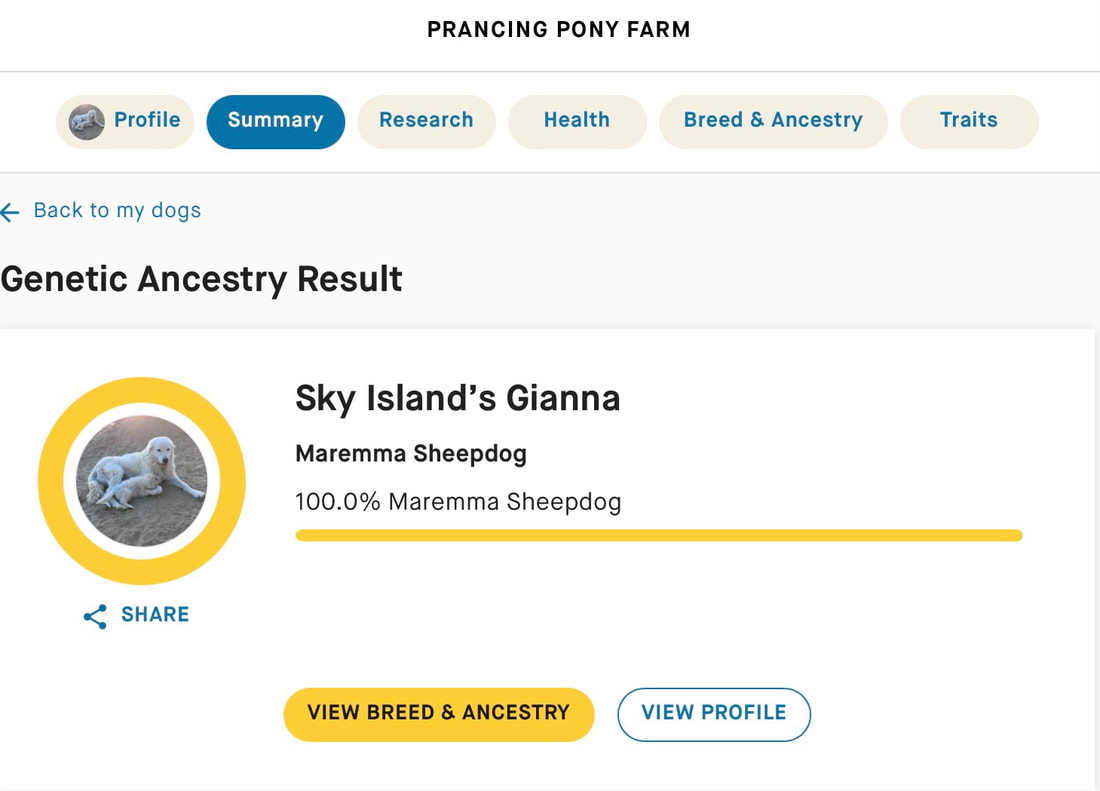
To Illustrate how to interpret DNA tests and use it to make breeding decisions I'll use one of my own dogs, and her test results through Embark.

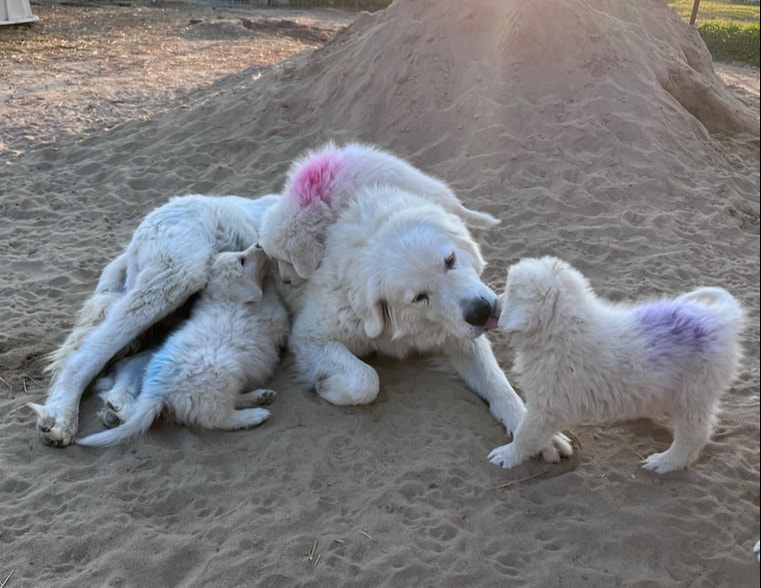
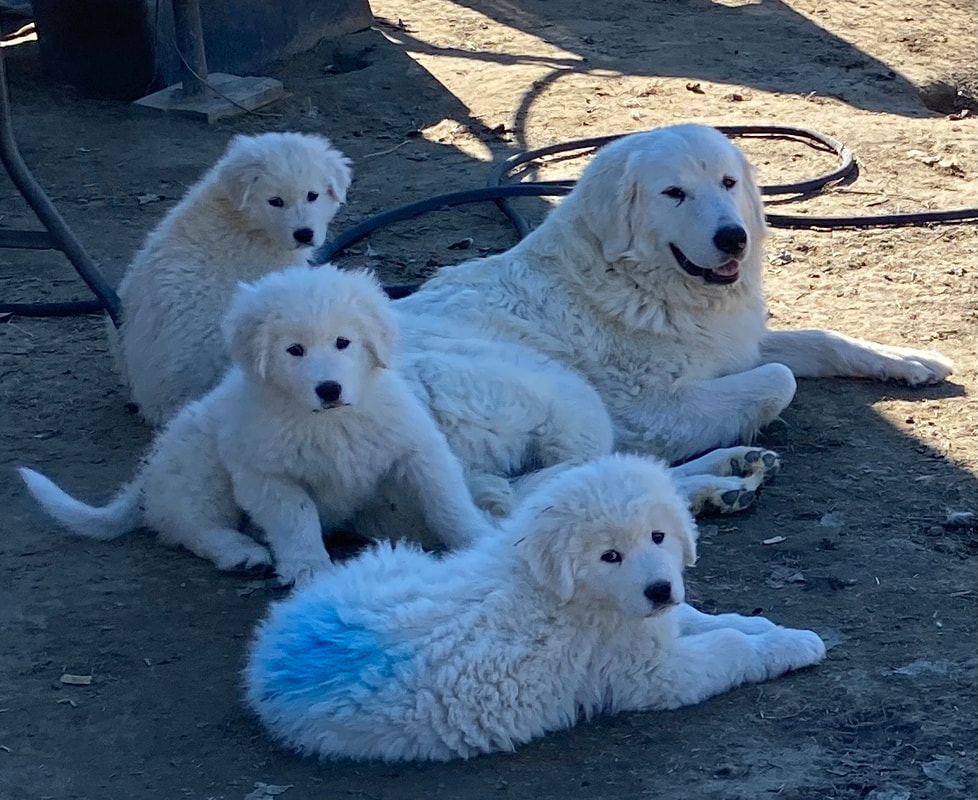
Here's my dog, with 3 of her puppies. Her name is Sky Island's Gianna. 
​She's a beautiful dog, isn't she?
Picture
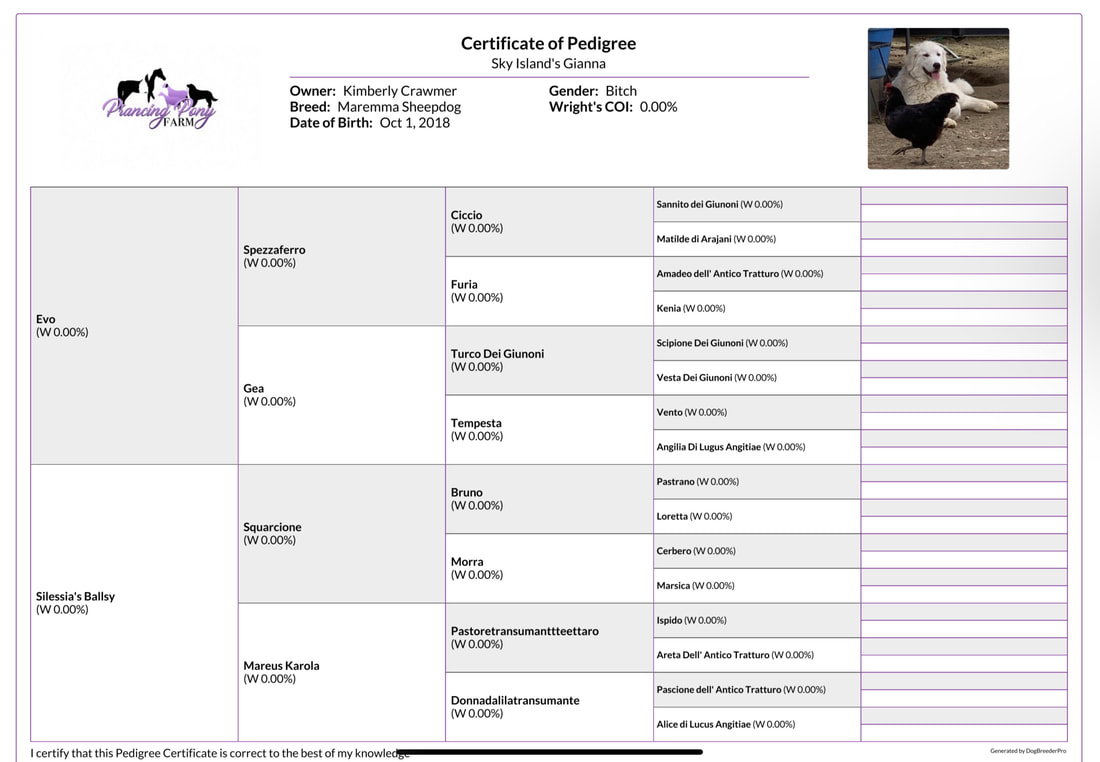
Now for a little background info on Gianna. Gianna was imported en utero by a MSCA Code of Ethics breeder who imported her dam, a Finnish champion, while she (the dog, not the breeder) was pregnant. Gianna's sire is an Italian champion so Gianna has all imported lines, bringing much needed new genetics to the breed. Gianna will be 4 years old in October 2022 and she has had two litters, of 7 and 13 puppies. If you would like to see Gianna's pedigree, full health test results (PennHip and Embark results) and other info you can click on the button below and go to her page. Below that is a screenshot her Embark profile:
Sky Island's Gianna

Picture

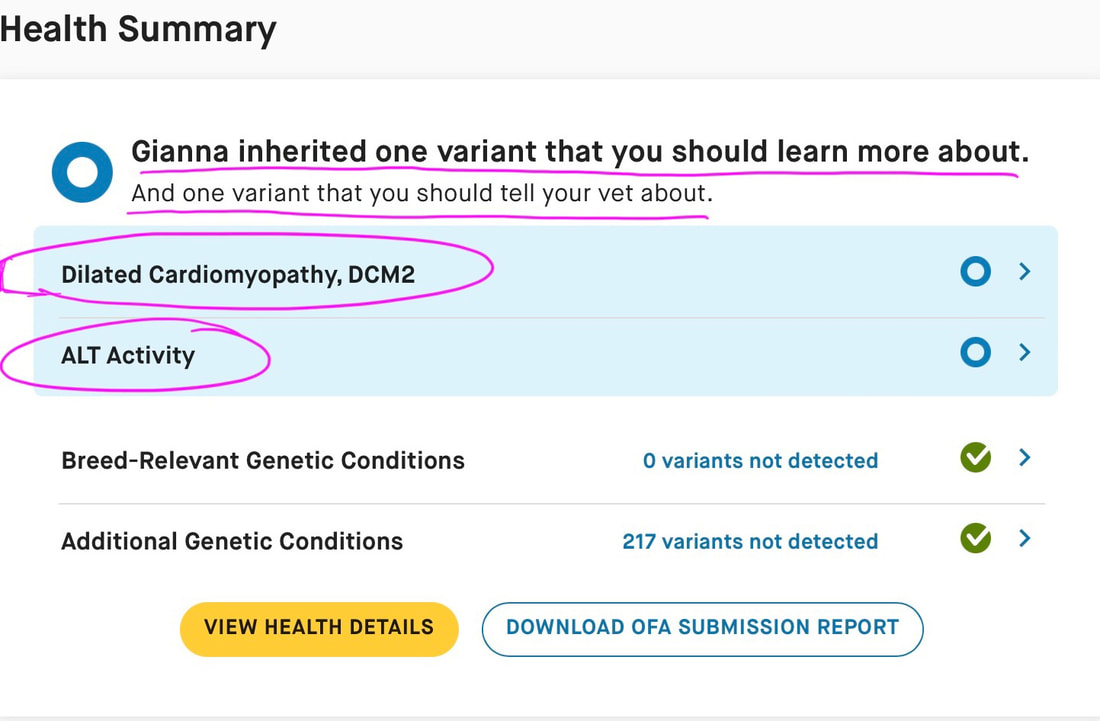
And now Gianna's Embark Health Summary results:
Picture

Oh my, Gianna has positive results for DCM2 and ALT Activity! Yikes! This looks bad. Really bad. I should probably spay her. It's the responsible thing to do, right? Or is it? Hmmm...maybe I should click on the next screen and read what these results actually mean before I call my vet. ​

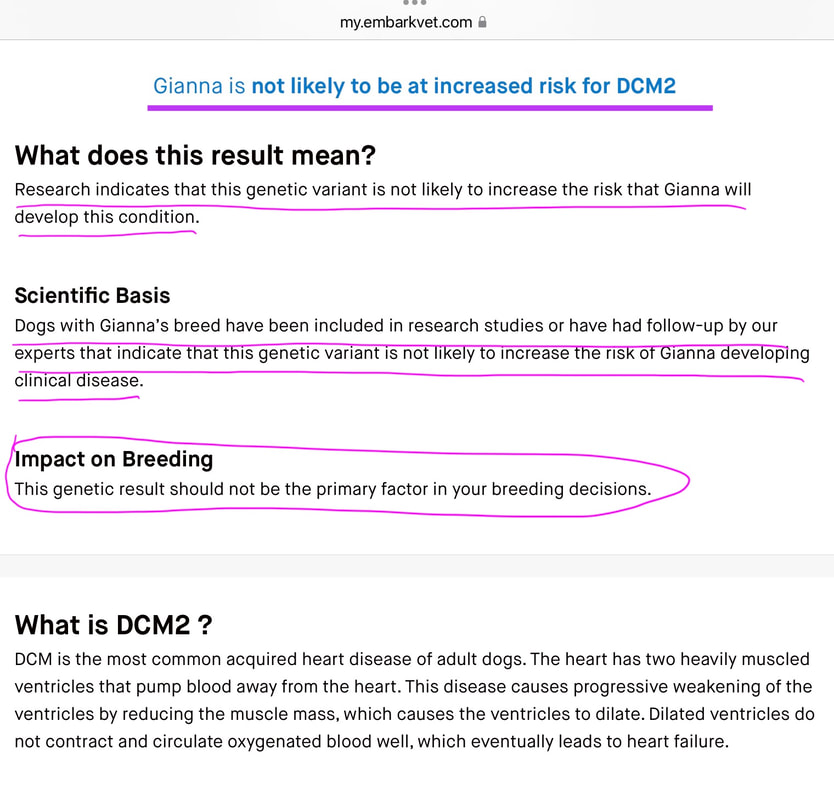
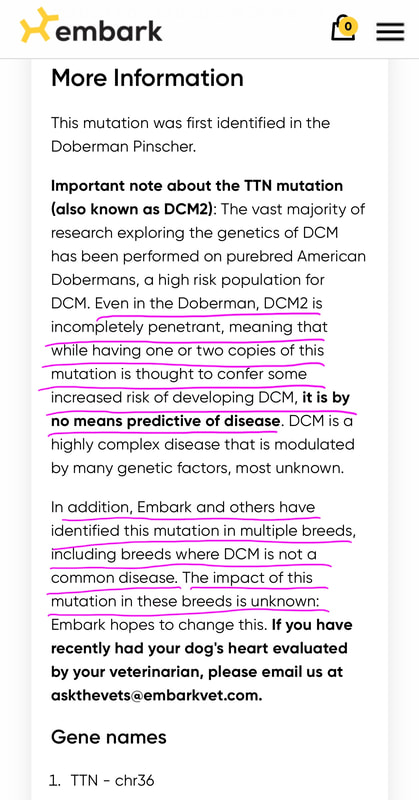
First the DCM2 results. Let's do some reading:
Picture
Picture
Picture

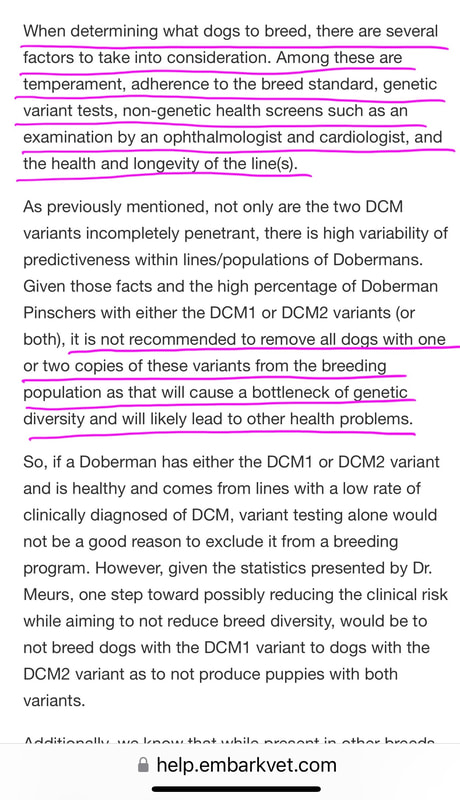
Wait, Embark themselves say that Gianna is not likely to be at risk for developing the disease and that DCM is not known to be common in Maremmas, nor should these results be the primary factor in breeding decisions. The disease is most common in Dobermans, which are not at all closely related to Maremmas. And even in Dobermans it is not recommended to remove all dogs with one or even two variants (Gianna only has one) from the gene pool. Why? Because by removing dogs from the gene pool of an already small breed you increase inbreeding, which in turn increases the risk of other genetic defects. Defects we may not even have a test for yet.

I did a quick google search on how many registered Dobermans are in the USA and got 39,000. Now I'm no expert but I'm pretty sure there aren't 39,000 registered Maremma Sheepdogs in the USA.

We aren't counting unregistered dogs because without registration and "official" pedigrees from an accepted registry you can't 100% prove what breed a dog is, nor who his parents are, even with DNA testing. If you could then all registries would accept DNA tested dogs into their gene pool. As far as I know, no reputable registry does, including the Maremma Sheepdog Club of America.

In fact, there was a big push to add DNA tested dogs to the MSCA stud book earlier this year and it was not approved because, according to those who did the research, the science doesn't support it.  So though I have nothing against unregistered dogs, owning 4 of them myself, they aren't really relevant to this discussion. You can certainly DNA test an unregistered dog to determine if they carry genetic defects but without actually knowing where they came from through a registry sanctioned pedigree you can't do a lot with the information, since you don't officially know where those defects, if any are present, came from. 

So registered Maremmas in the United States are a much smaller breed than Dobermans, without a known predisposition to the disease and with a very specialized purpose as working LGD's. So would it be "the right thing to do" for me to remove a dog from my breeding program that has a lot of other great qualifications (stellar hip scores, correct conformation, working ability as a LGD, diverse genetics from imported lines) because she carries one gene for a disease that Maremmas aren't known to be at risk for and for which the testing company says it's not an important factor in breeding decisions? In my opinion that would be a very stupid reason to remove her from my breeding program. I prefer to use science and proven results (how my dogs perform as LGD's) over emotion when making breeding decisions.
​
​So no, I won't be spaying Gianna over her DCM2 results.
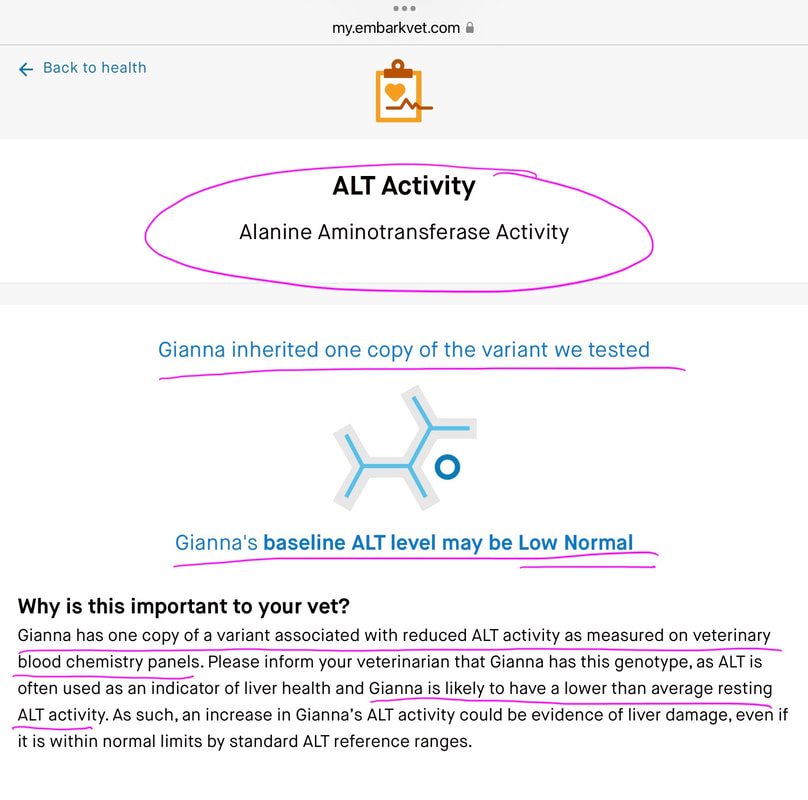
Now lets look at the ALT Activity:
Picture
Oh no, Gianna inherited this "ALT Activity variant! That's bad, really bad! Call the vet, we better spay her TODAY! Right? It's the right thing to do, isn't it? Or is it? Hmmm... I better read the next screen and see what these results actually mean. 
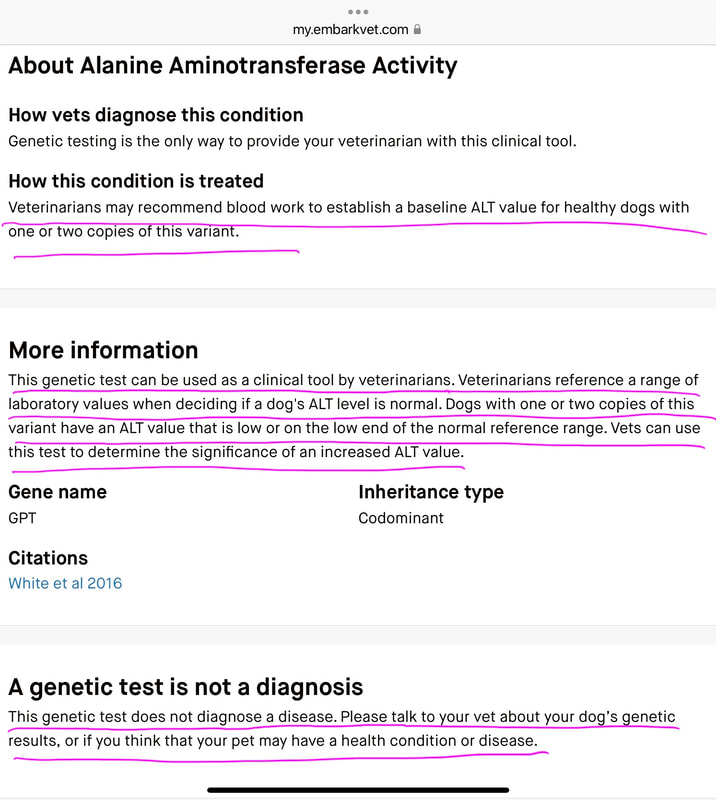
Picture
Wait, what does that say? "This genetic test can be used as a clinical tool by veterinarians." "This genetic test does not diagnose a disease." "Dogs with one or two copies of this variant may have an ALT value that is low or on the low end of the normal reference range."

Wait what?! This only means that Gianna's "normal" ALT range is lower than average, but that it's still HER "normal" and is not at all indicative of any disease? Just like a person can have a resting heart rate that's higher or lower than the "average" person their age, or their temperature can naturally run higher or lower than 98.6, or any number of factors can be above or below "average" in humans or animals. And actually the results say it "may be" lower than normal, not even that it is. Hmmm...

Let's not forget what "average" means. You can't have "average" anything without some things in that category being above or below average. That's how you get average! And below or above "average" isn't always bad.

Now if someone else chooses to not breed a dog because their ALT activity  "may be low normal", which is still perfectly normal for them but not "average", and not indicative of a disease, then that's their choice to make. Maybe they only want "average" dogs in their breeding program. That's ok. But again, I prefer to base my breeding decision on more important factors, like science.

So no, I won't be spaying Gianna because of her "Low Normal" ALT Activity.

So What Health Test Will I use First to Base my Breeding Decisions on?
Now let's look at a health condition that really is a problem with Maremma Sheepdogs - Hip Dysplasia. Maremmas are a giant breed of dog that grows fast and can mature in excess of 100 lbs. They are also hard working dogs, bred to guard livestock in a variety of terrains. They need sound hips to have long, productive, pain free lives as LGD's. A LGD can't fight off predators or even navigate the outdoor terrain they may be guarding if they have crippling pain from arthritis. So while DNA testing is a great tool, smart Maremma breeders (or breeders of any large breed dog) will first take a look at the dog's hips to rule them in or out for breeding. Good scores of the parents' doesn't guarantee their puppies won't get hip dysplasia but its still a very important diagnostic tool. 

In fact, hip testing is the ONLY health test required to be a MSCA Code of Ethics breeder. DNA testing isn't required. Why? Because most of the things you DNA test for aren't a big concern for Maremmas. As far as I know only one or two other MSCA Maremma breeders besides myself DNA test their dogs.

Now it's not that I think DNA testing isn't a valuable tool for the breed. Of course not. Anything breeders can do to improve the breed is a good thing and that's why I started DNA testing my dogs. It's not very expensive and it gives me useful information to make breeding decisions. And if more breeders tested we would have a bigger database to compare our dogs to, and would really see the big picture for the breed. So I hope more Maremma breeders do start DNA testing and I hope the MSCA starts to educate their members on the benefits and limitations of DNA testing. Maybe one of the BOD members could write an article in the MSCA newsletter. 🤔

This may offend some people but, in my opinion, DNA testing Maremmas (or any large breed dog) without also doing hip screening is often times nothing more than virtue signaling and pretending to be ethical without putting your money where your mouth is. I see breeders listing their dogs (all breeds, not specifically Maremmas) as "health tested" with no hip testing. Often times that's just tricking the uneducated potential customers, IMO. (Someone I know bought a Great Pyrenees puppy and proudly told me it was from health tested parents. I checked the website. No hip testing whatsoever. Let's hope that puppy doesn't end up with Hip Dysplasia.) Anyone can afford the $100 DNA test and it's quick and easy to do. Add a check in the "health tested" box. But if you really want to prove your dogs are sound and healthy to breed how about forking over $600-700 for a PennHip exam, or even $300-400 for an OFA hip exam? (PennHip is proven to be more reliable and scientific so that's what we use, but OFA is acceptable if done right and certainly better than no hip testing at all.) That will prove something of real value to the breed. And that, along with the DNA testing, would be even better.
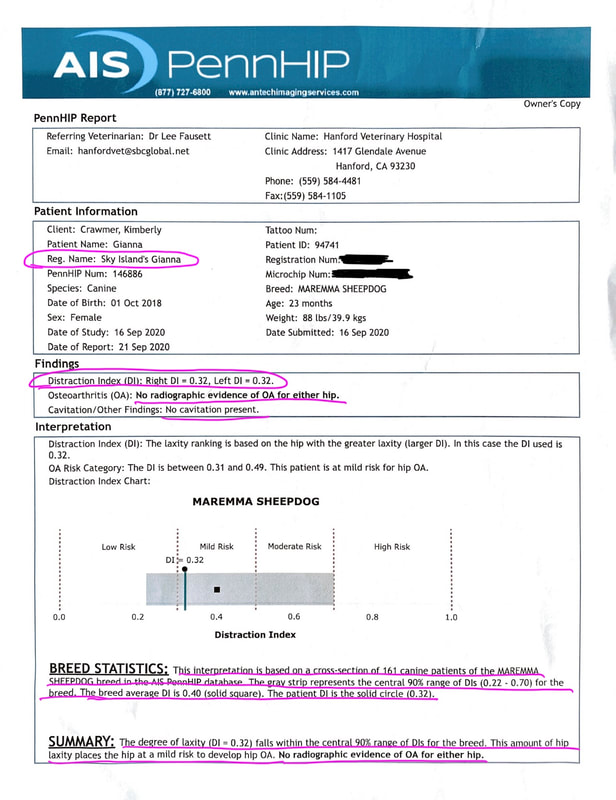
So let's look at Gianna's PennHip Scores:
Picture
Gianna's Distraction Index is 0.32 R and 0.32 L. There's no evidence for osteoarthritis and no cavitation.

The breed average is .40 (lower is better) and to qualify as a MSCA Code of Ethics breeder (see below) dogs must have a score of less than 0.51.

This means that Gianna has outstanding PennHip scores. And she is much more likely to pass on those good hips to her puppies than she is to pass on DCM, which isn't known to be a problem in Maremmas or low ALT activity, which isn't even a genetic defect at all. 
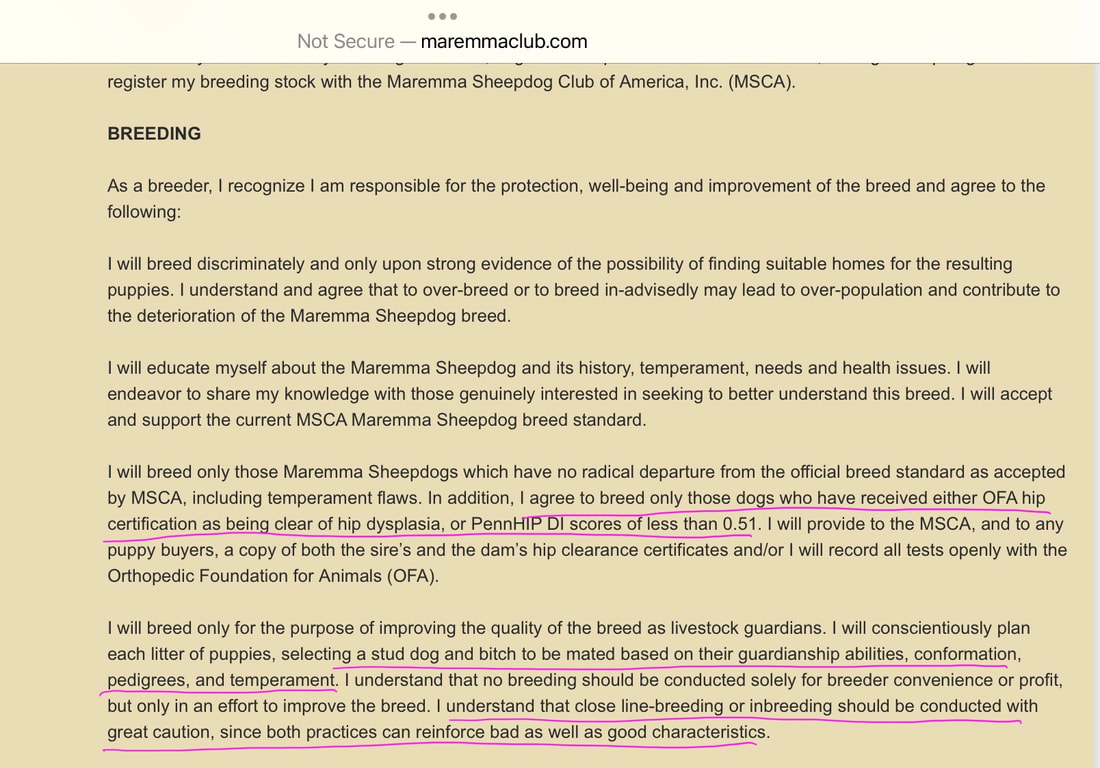
MSCA Code of Ethics Testing Requirements
Picture

The Limitations of DNA Testing:
DNA testing is a good thing. I'm not saying it isn't or I wouldn't have spent the money to test my dogs. I plan to continue DNA testing my breeding dogs and learning more about how to utilize the information. But DNA testing has its limitations and needs to be used wisely and put in perspective. In my opinion breeders who make their breeding decisions only based on DNA results are throwing the puppies out with the bathwater and potentially harming the breed. As I've said, there are a lot of factors to consider when breeding dogs. Below is a little more info on that topic.
​(The ICB is a GREAT scientific resource for breeders, btw.)
  • Why DNA Tests Won't Make Dogs Healthier - Institute of Canine Biology
  • What Does "Health Tested" Really Mean? - Institute of Canine Biology

So What Else Should I Base My Breeding Decisions On?
When breeding any breed of dog there are a lot of factors to consider and focusing too much on a few traits while ignoring others can cause many problems, not just in our own breeding program but long term, with the breed. If this is true of companion dogs it's especially true of working Livestock Guardian Dogs, who are responsible for the safety and well being and the very lives of other creatures. Then consider a breed such as the Maremma Sheepdog, that has a much smaller gene pool than a lot of breeds and it's a big responsibility to breed these dogs. Breeders must be discerning, wise and able to keep their long term goals in mind when breeding Maremmas. They should always be evaluating their program as well as seeking out new information (through reading, taking dog breeding and training courses and having discussions with reputable experts in the breed or the dog breeding world, in general) that will help them do the best job possible with their dogs.

As far as making individual breeding stock selections some of the things to consider are temperament, working ability, pedigrees, Coefficient of Inbreeding (kept as low as possible), correct conformation, sound hips and other health testing.
Picture

So How Does Gianna Measure Up?
  • Temperament - Gianna is a bit dominant with some other female dogs (not uncommon in the breed) but otherwise has a good temperament. She's not aggressive with people and is a well mannered, sweet dog.
  • Working ability - Gianna is a good LGD. She's good with goats and excellent with chickens, which many LGD's struggle with. She's strong, athletic and fearless and there's no doubt in my mind that she would kill a predator if she had to. If I were a coyote I would not want to meet Gianna in the dark!
  • Pedigree - both of Gianna's parents are European dogs so her lines are very diverse from what's generally available in the US.
  • Coefficient of Inbreeding - Gianna's pedigree based COI is 0.00. Her DNA tested COI is 11%, with high diversity. I'll be perfectly honest here and admit that I am still learning about the difference between pedigree based COI and DNA COI, and what it all means. But basically Maremmas as a breed have a very small gene pool so a lot of dogs that aren't closely related by pedigree will still have higher COI's based on DNA and can still share more DNA with dogs that they aren't actually related to. Meaning that if I found out that one of my other dogs shared a high percentage of Gianna's DNA it's not because that dog is her cousin or something. It's just that they have more ancestors in common way back in their background than would appear by reading their pedigrees. Since no one did a DNA test on Gianna and her "cousin" before I bought Gianna there would have been no way for Gianna's breeder to know they were so closely related, since the pedigrees we have don't go that far back. It might be a shock to find out such news but it's certainly not some deep, dark secret and no one did anything wrong. It's just another result of having such a small gene pool to work with. And that's why DNA testing for COI is a useful tool. (Of course you have to have an "official" MSCA pedigree to even begin to tell if two dogs are related or not, which is one reason why I won't allow anyone to breed one of my registered dogs to their unregistered dogs, since they can't prove their dog is who they say he is. If I bred Gianna to an unregistered dog it would be entirely possible that he was her REAL cousin! 😳) I plan to do a lot more research on DNA COI's and how that all works, but either way, Gianna brings a lot of diversity to my program and the breed in America in general.
  • Correct Conformation - Gianna has stellar conformation and, IMO, is one of my most correct and beautiful dogs. She's a large, impressive dog and of a good size for guarding against any sized predators and for easy whelping. She whelped 13 puppies in her last litter with no problems whatsoever. And all the puppies survived, too. Easy whelpers that produce healthy, strong puppies is worth a lot in a breeding dog.
  • Sound Hips - Gianna had excellent PennHip scores, well below the breed average and even further below the maximum score for Code of Ethics dogs. I will most certainly consider those amazing hips above some other, less relevant test results.
  • Other Health Testing - Gianna's Embark Results, despite having two variants checked on her profile, are still not concerning. The ALT Activity is a clinical tool only and the DCM2 is not considered breed relevant or a big risk factor.
So when I weigh all the traits Gianna has going for her against the small things that are less than "clone perfect" it's an easy call. Gianna stays in my breeding program, to help improve future generations of these amazing Livestock Guardian Dogs.
Picture

So What Are My Thoughts About Genetic Health Testing and Dog Breeding?
These are my thoughts. No dog is perfect. They all have faults of one kind or another and they all have strengths. Wise breeders will weigh the pros and cons of their dogs and decide if they bring enough value to their breeding program and to the breed in general to be included. If the answer is yes then they will match that dog with a mate who is likely to improve the areas that aren't quite perfect, or to compliment them well. It's the same with breeding any animal - goats, horses, cattle, cats, whatever. We are working with living, naturally created animals here, not laboratory grown clones. It's as much art as science. We will make mistakes. Things don't always turn out how we planned. There's no shame in that as long as we learn from those mistakes so that we can do better the next time. The best breeder in the world will still never achieve breeding all "perfect" dogs. But if they are smart enough and dedicated enough to continue to learn and research and to look beyond the surface (and to read the fine print on the DNA test) then they just might achieve breeding "almost perfect" dogs. Which is still a pretty worthy goal.
​I know what I will do with the time that is given to me. I'm going to breed the best "almost perfect" Maremma Sheepdogs I can. What about you?
 “All we have to decide is what to do with the time that is given us.” 
― J.R.R. Tolkien, The Fellowship of the Ring
0 Comments

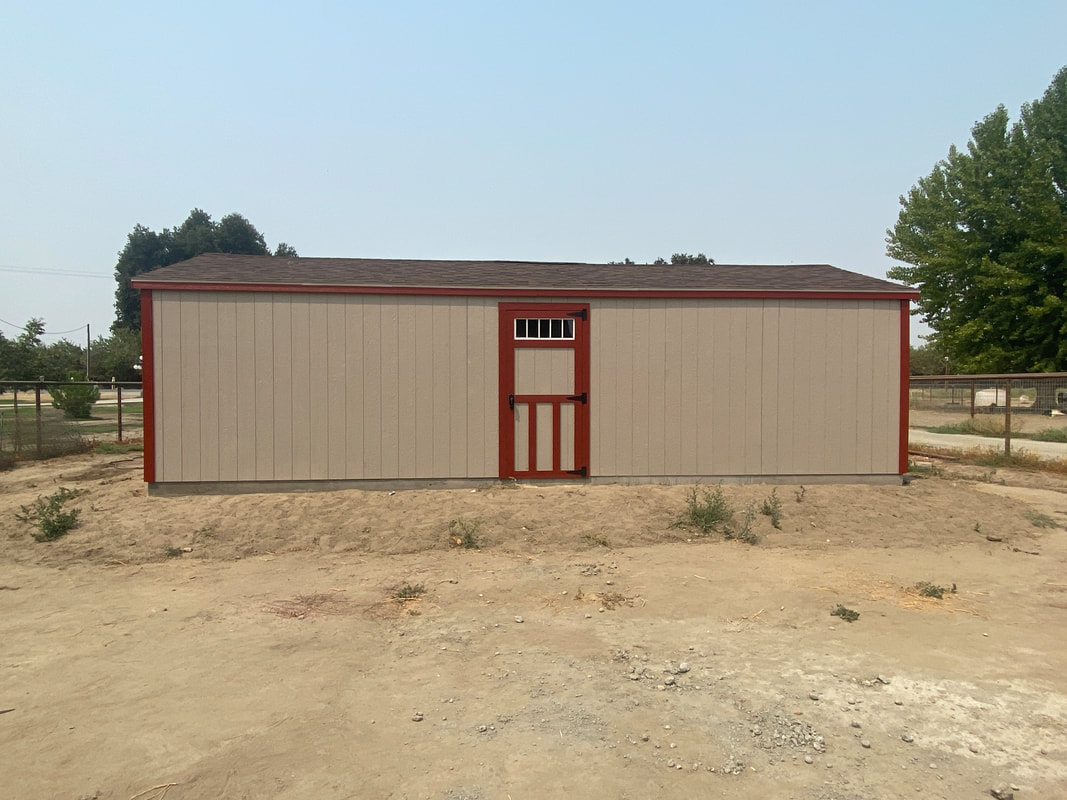
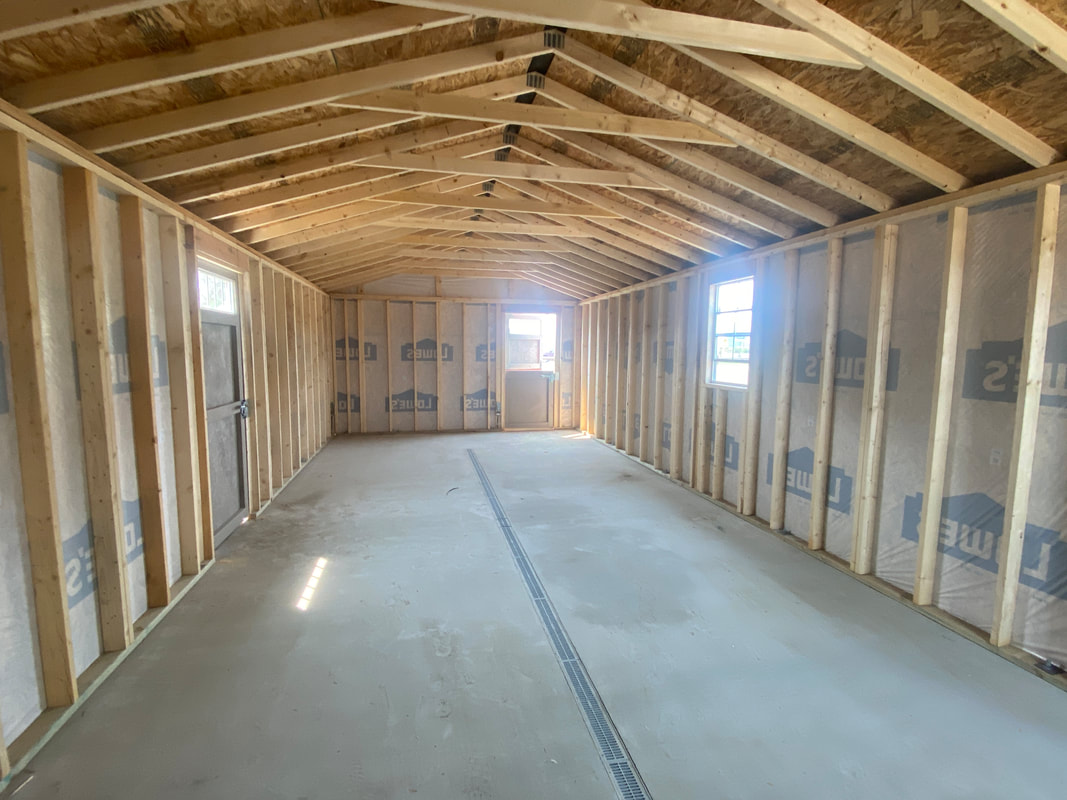
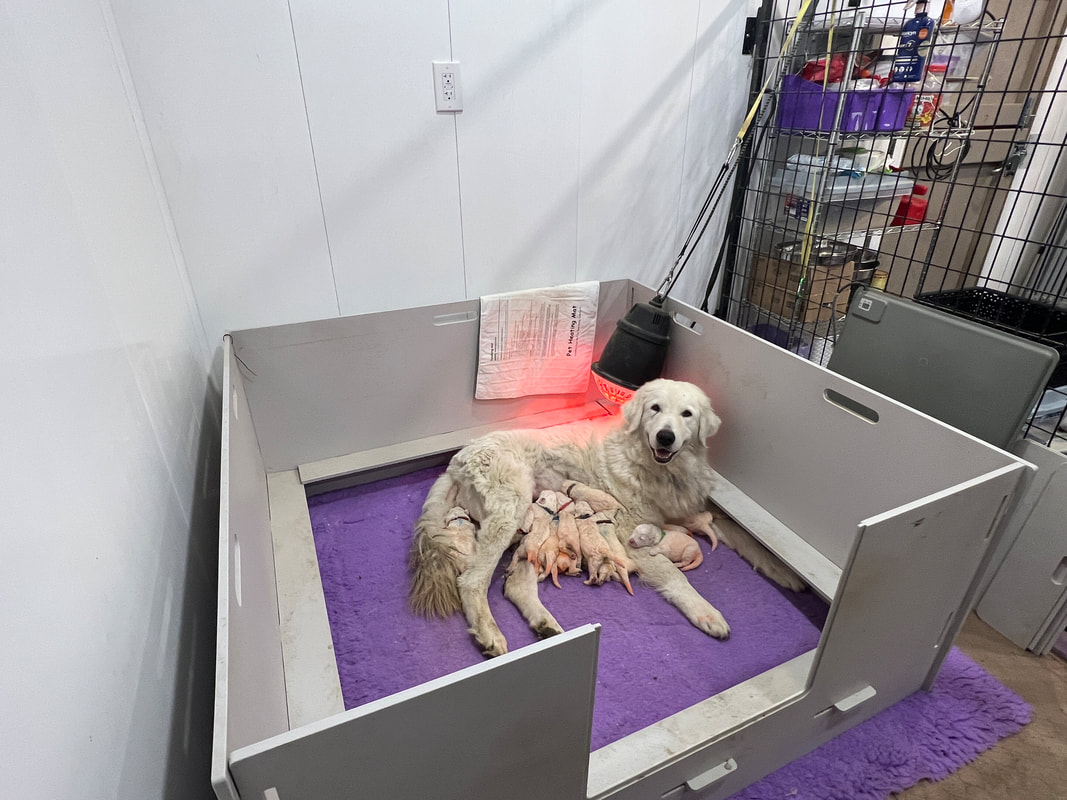
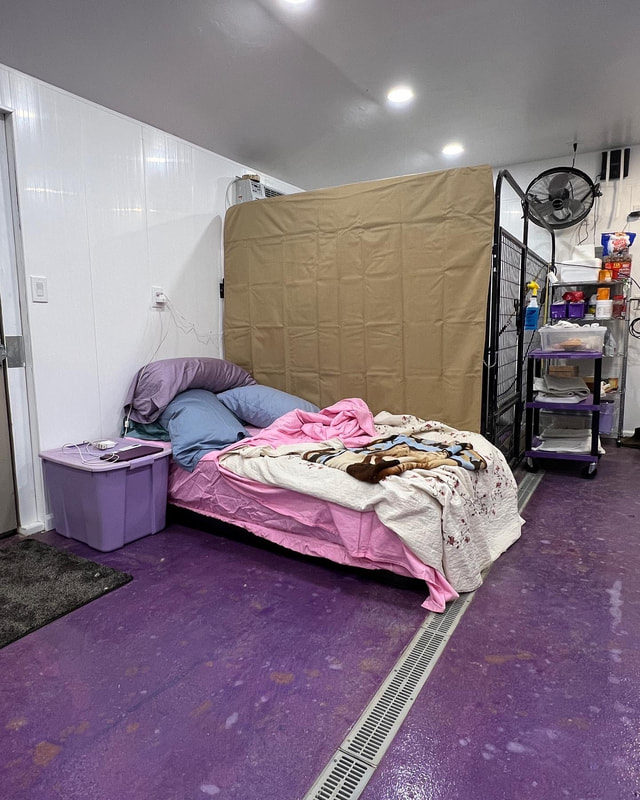
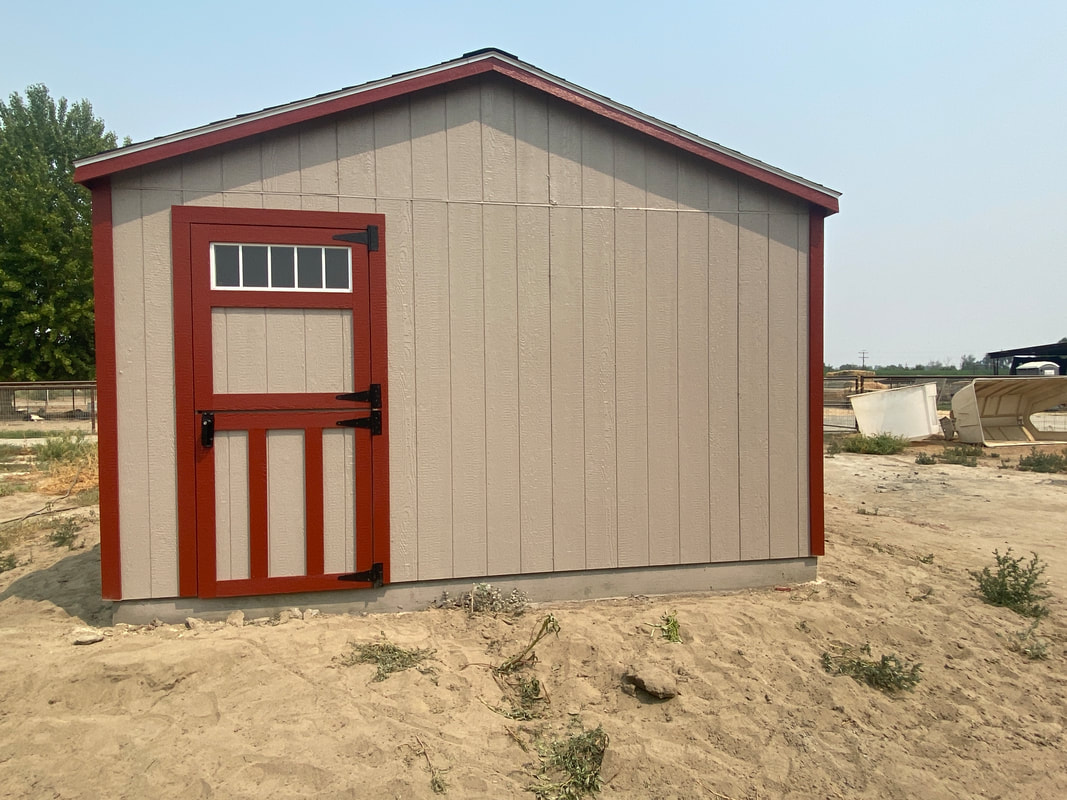
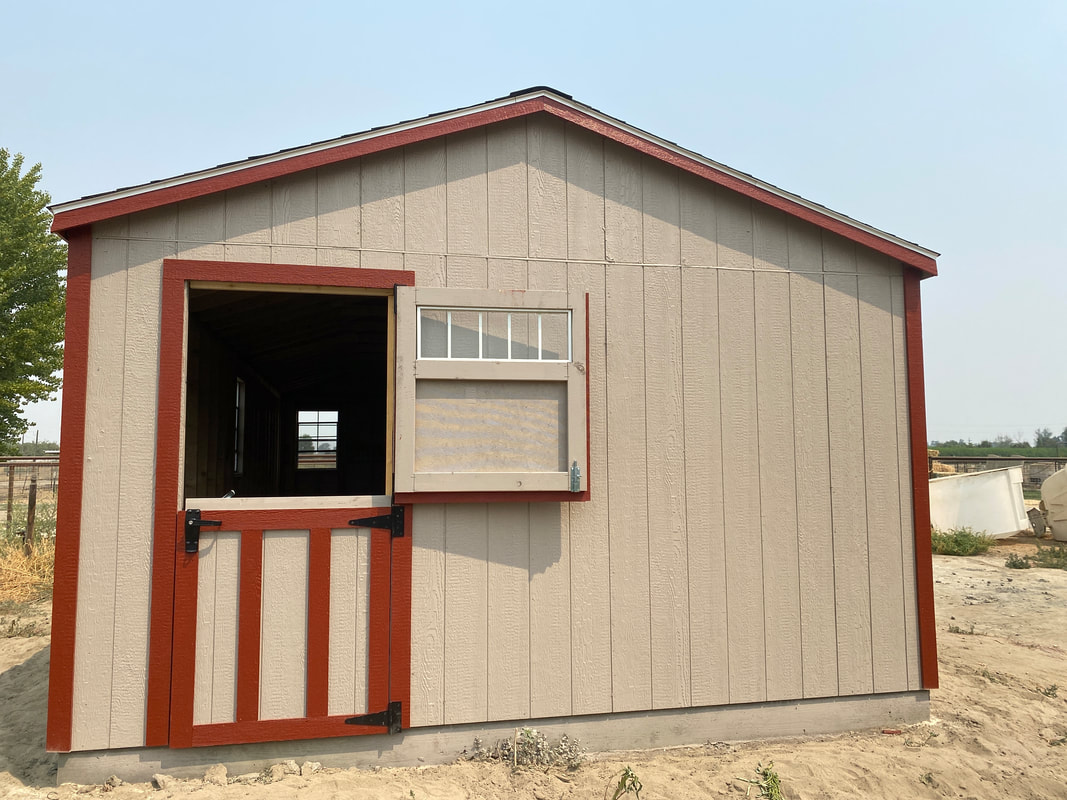
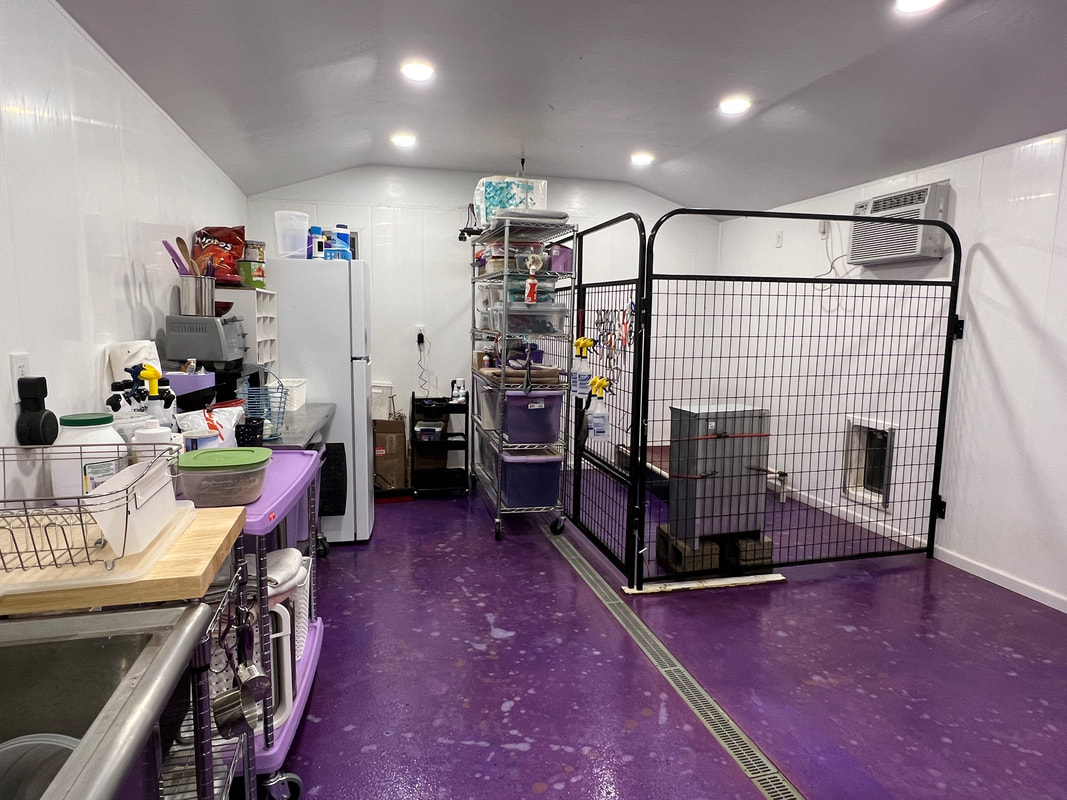
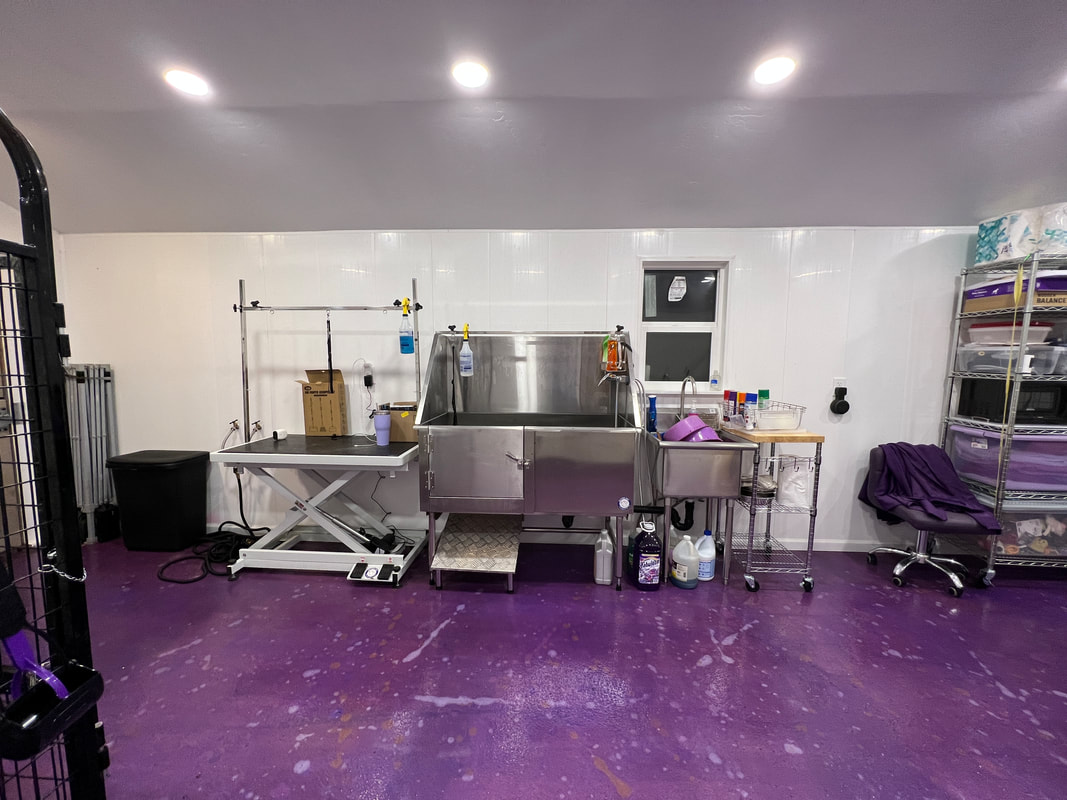
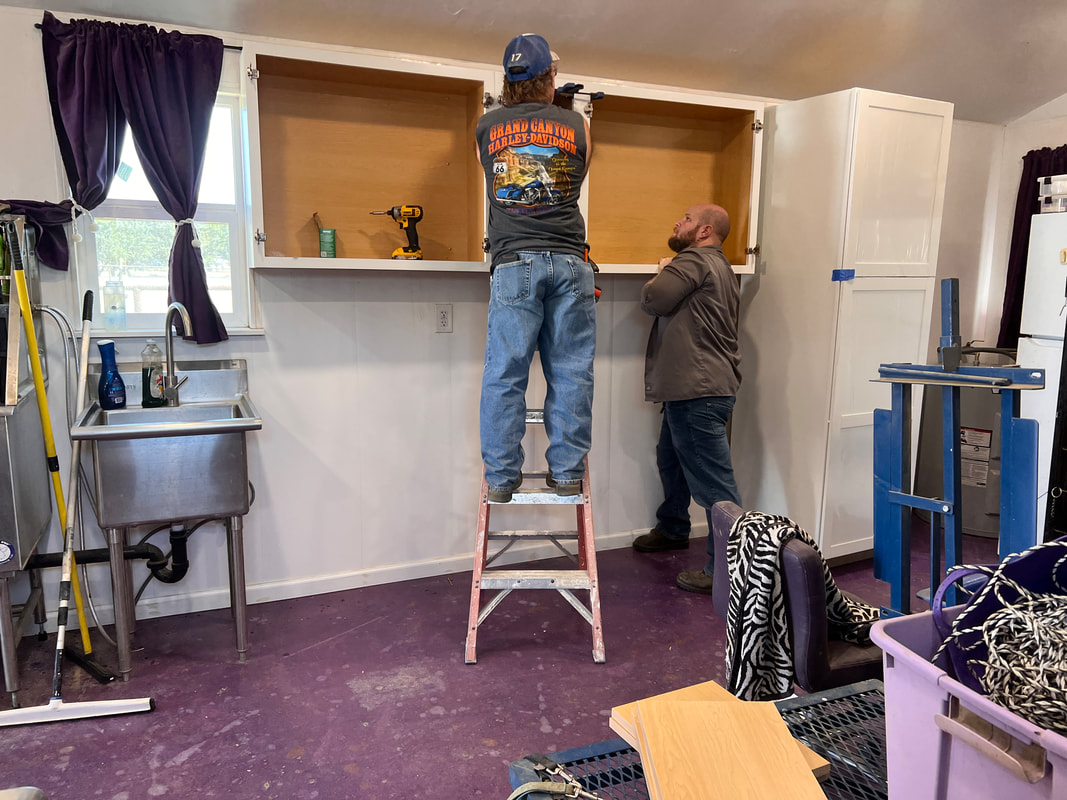
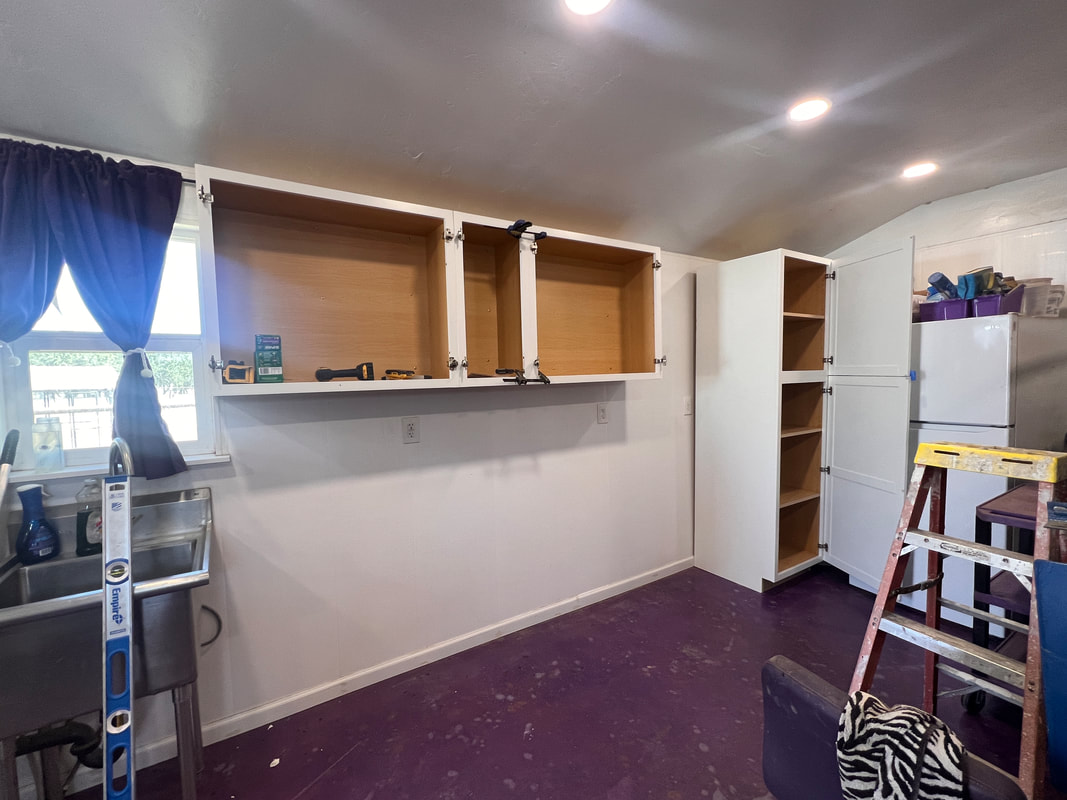
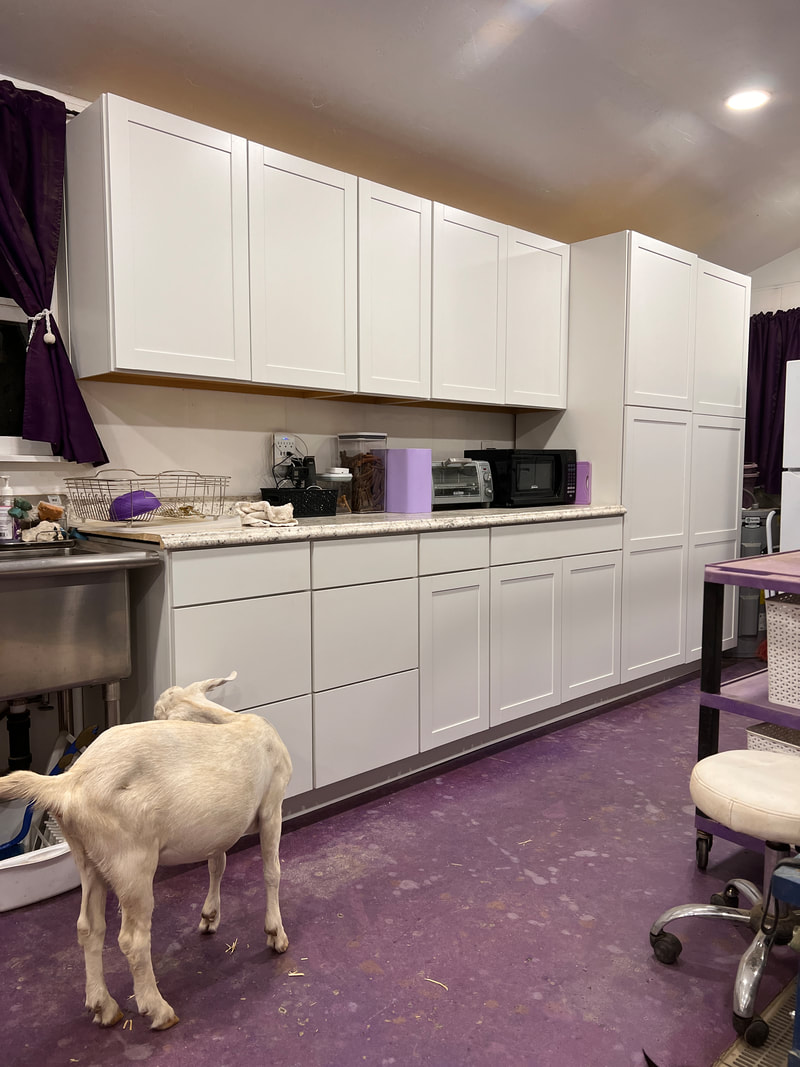
The Perfect Place to Rear and Train Livestock Guardian Dogs - Our Puppy Parlor Gets Some Upgrades, Plus a Little Back Story on Why and How we Built it.

9/27/2022

2 Comments

 
In the Beginning
When we first started breeding Maremmas we raised our puppies in our dairy goat barn , so that the puppies could be socialized with the goats and other animals from birth. We had one litter a year and this worked very well for a while, even though it was a lot of work to continually set up and then take down the whelping equipment when we needed the space for goats. But when we became Maremma Sheepdog Club of America Code of Ethics Breeders and began having more litters and bigger kid crops, all this moving back and forth and sharing space became harder and harder. Then beginning in 2020 we experienced some challenges due to extremes of weather (too hot or too cold) and extremely bad smoke from nearby forest fires. We realized that raising puppies in the barn was no longer ideal since we have no control over nature, nor over when our dogs were ready to breed. (Goats come in heat roughly every 3 weeks so it's not hard to time kidding for when it's convenient or when the weather will be nice. Dogs are much trickier with less options other than breed now or don't breed at all this year.)

​But yet we were committed to ensuring that our puppies were whelped and raised in close proximity to livestock so that they wouldn't miss out on that very important early socialization period. Whelping in our house was not an option for this reason. That might be an acceptable choice for breeders who don't feel that raising their puppies with livestock from an early age is important, but for us it we were not willing to sacrifice proper socialization for health (both are important), or for our own comfort and convenience. We wanted it all, and we were determined to have it!

Read More
2 Comments

Veterinarians Agree That Reward Based Training is Best for Your Dog! (And Especially for Livestock Guardian Dogs)

9/26/2022

2 Comments

 
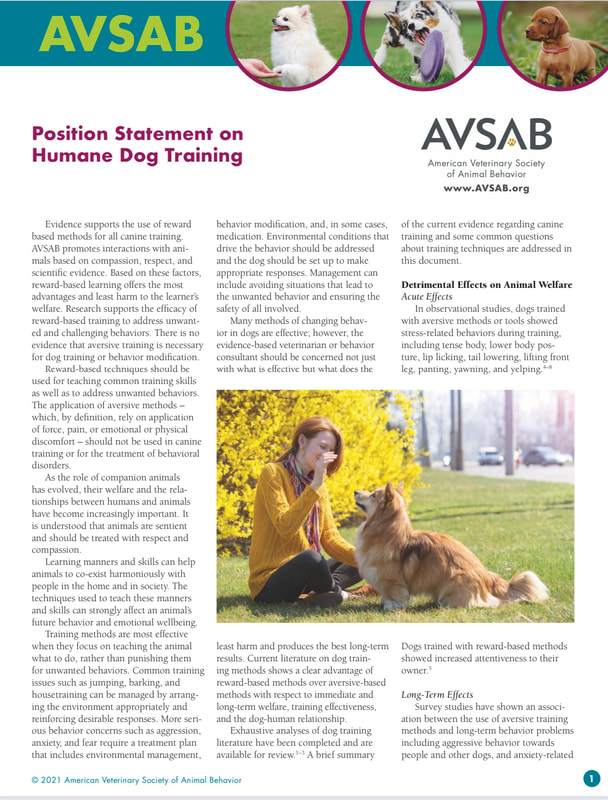
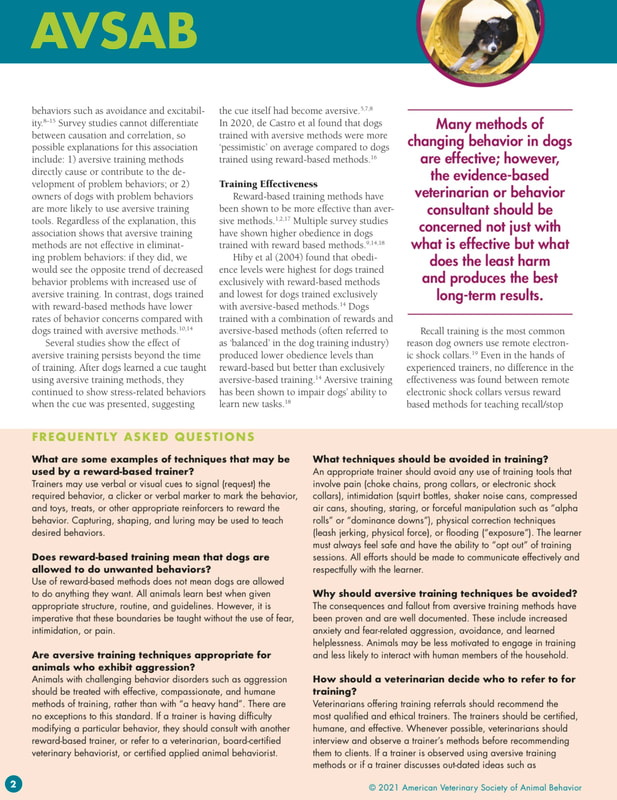
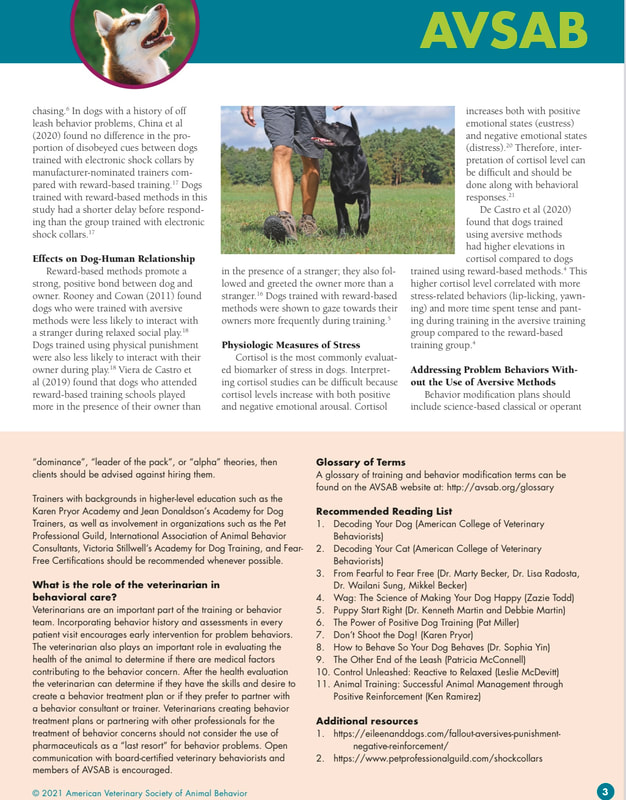
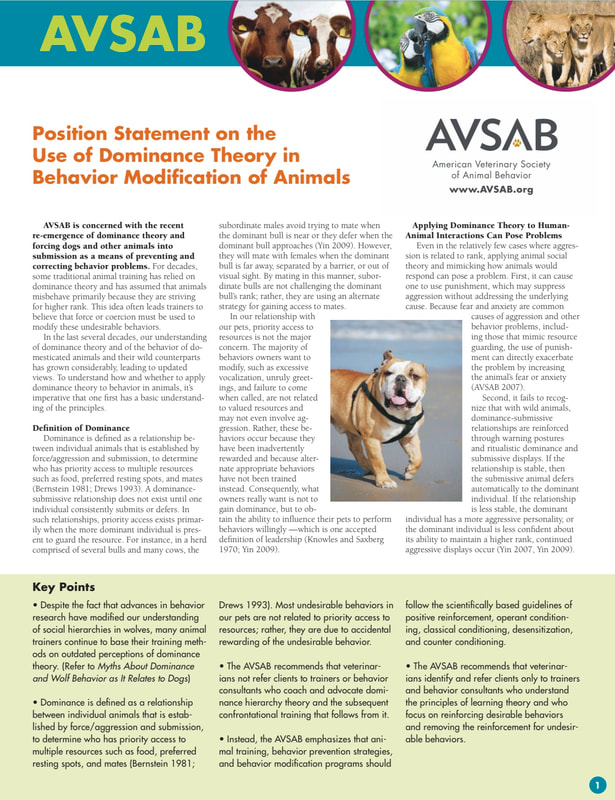
Did you know that the American Veterinary Society of Animal Behavior recommends ONLY reward based training and is 100% against aversive training methods? Why? Because veterinarians are SCIENTISTS and SCIENCE supports positive training. It’s not only about what works or what’s “fast and easy”, it’s about what’s scientifically and ethically in the best interest of the dog. Here are just a couple of quotes from the AVSAB position paper on dog training:

“Evidence supports the use of reward based methods for all canine training. AVSAB promotes interactions with animals based on compassion, respect, and scientific evidence. Based on these factors, reward-based learning offers the most advantages and least harm to the learner’s welfare. Research supports the efficacy of reward-based training to address unwant-ed and challenging behaviors. There is no evidence that aversive training is necessary for dog training or behavior modification."

"Reward-based techniques should be used for teaching common training skills as well as to address unwanted behaviors. The application of aversive methods – which, by definition, rely on application of force, pain, or emotional or physical discomfort – should not be used in canine training or for the treatment of behavioral disorders.”

From The AVSAB FAQ's

“What techniques should be avoided in training?
An appropriate trainer should avoid any use of training tools that involve pain (choke chains, prong collars, or electronic shock collars), intimidation (squirt bottles, shaker noise cans, compressed air cans, shouting, staring, or forceful manipulation such as “alpha rolls” or “dominance downs”), physical correction techniques
(leash jerking, physical force), or flooding (“exposure”). The learner must always feel safe and have the ability to “opt out” of training sessions. All efforts should be made to communicate effectively and respectfully with the learner.

Why should aversive training techniques be avoided?
The consequences and fallout from aversive training methods have been proven and are well documented. These include increased anxiety and fear-related aggression, avoidance, and learned helplessness. Animals may be less motivated to engage in training and less likely to interact with human members of the household.”

We agree with the experts at AVSAB. At Prancing Pony Farm we are Positive Reinforcement Trainers and only use reward based training with our Maremma Sheepdog adults and puppies. We are so committed to seeing our puppies treated humanely that we put it in our puppy contract that all our puppy owners sign. The use of aversive training methods such as shock collars, choke chains, dangle sticks and other punishment based training methods is prohibited.
Picture
Picture
Picture
Picture

To read the complete document from the AVSAB see the link below:

https://karenpryoracademy.com/avsab-advocates-for-humane-reward-based-training/
2 Comments

How to Raise and Train Outstanding Livestock Guardian Dogs - "Finding Their Bark"

9/9/2022

4 Comments

 
Picture
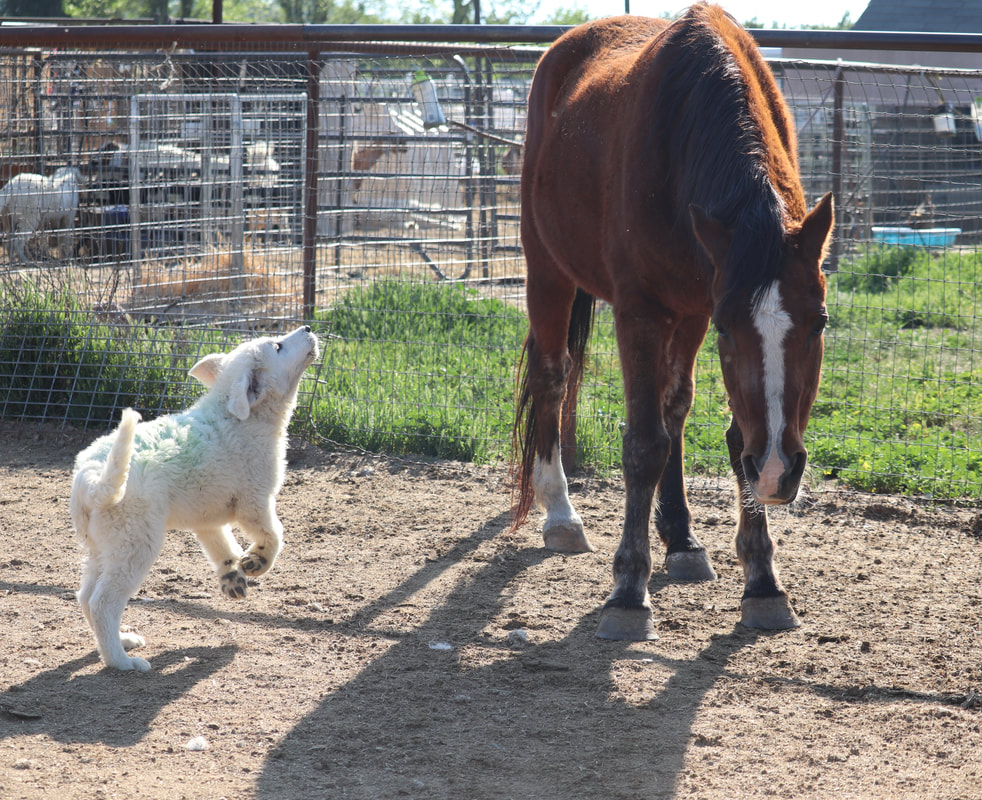
This was these puppies' first time seeing the horses up close. Leo, my elderly Arabian gelding, patiently allows this nervous puppy from Gianna's 2021 litter to bark at him, putting the puppy at ease. There's no need for me to interfere in this exchange as Leo is an excellent puppy trainer.

There is a stage in LGD puppy training and development that I call “Finding their bark.” They bark at EVERYTHING that looks suspicious to them, whether that’s a strange vehicle or person, an animal they haven’t met or aren’t quite sure about, a blowing leaf, someone they know wearing a hat or coat they've never seen before or just about anything. People often ask me how to teach puppies what to bark at and what not to bark at, or how to get them to stop barking at things that aren’t a real threat. I personally almost never try to discourage my dogs from barking, especially when they are still learning. Yes I know the barking can be annoying, especially when there’s no real threat, but barking is a LGD’s first and main line of defense. And they have much better sight, smell and hearing than we do and can perceive threats we would never notice. I want my puppies to learn to be discerning on their own, so that they know to bark when there’s a real threat. If I micromanage their barking then they may learn to doubt their own judgement and to look to me for direction. And that’s not going to protect my goats and other animals when I’m in the house asleep, or protect the animals of whomever ends up owning these awesome, barking puppies. So I encourage you to celebrate your barking LGD puppy, because it means they are on their way to being a great guardian for your stock!

The puppies barking at what they perceive as an "intruder" (my son, Noah, getting hay for the animals) in the barnyard. The puppies see Noah feeding every day but apparently  something was different about him this night, setting them off. Again, no need for me to do anything. The puppies can tell that I'm not concerned so they soon relaxed.

Polar's and Marisa's 2022 litters met the horses for the first time on this day. Apparently Blossom, the mini donkey, was a concern for this puppy. Notice how patient and calm Blossom is with the puppies. She's a seasoned puppy trainer and there's no need for me to say or do anything. I just let Blossom's calm behavior reassure the puppies and they soon accepted her.
4 Comments

Is Puppy Aptitude Testing a Valid or Useful Tool for Evaluating Livestock Guardian Dogs?

9/2/2022

0 Comments

 
I know that Temperament Testing is very popular among companion dog breeders so out of curiosity I took a course in Puppy Aptitude Testing last year. It was very interesting but after doing much research, observing my own dogs and multiple litters of puppies I’ve bred and trained, as well as talking with breeders and trainers of LGD’s that I greatly respect, I decided that choosing a LGD puppy for a particular job/home based on how it behaves at exactly 7 weeks old is ridiculous. So many things go into the shaping of a LGD and many of those things haven’t even happened to a 7 week old puppy, so how can that one test be the be all, end all of choosing a puppy? It can’t.

But the idea still persists and some non-LGD breeders and trainers, not understanding that LGD behavior and training are very complex, still try to push this PAT idea, insisting that we need to test pups at 7 weeks old to determine if they are LGD’s or pets. Again, a ridiculous idea. Not all LGD’s guard the same and how a puppy behaves at 9 weeks or 9 months doesn’t automatically predict how it will behave once mature. And a puppy that chases stock occasionally or even kills a chicken or two is not ruined for life. LGD puppies often go through a rough "teenage" stage and then, like a lightbulb coming on, they suddenly mature into calm, dependable LGD’s. What can affect that switch is not some test done when they were 7 weeks old but everything they've been exposed to before and after that.

Another thing non-LGD breeders don't get is this: "play drive" is not the same as "prey drive". All LGD's love to run and play and chase to some degree because they are dogs and because they are practicing skills they will need as LGD's. Every one of my Maremmas loves to chase me on my ATV, they all chase each other, roughhouse and play fight. If a strange sounding vehicle comes down the street they all race along the fence line, CHASING it. Like they would chase a predator. Your LGD won't catch many predators by walking calmly. They need to practice chasing. 😆

Maybe the misunderstanding is because almost all breeders of non-LGD's place a large percentage of their puppies in companion homes. Whether this is because there really are such wide differences among puppies in a litter in their breed or simply because they don't have enough homes looking for working dogs I do not know. But some of them do use PAT to determine which pups go to which kinds of homes. Whether this testing is a valid tool for their breeds I can't say. I can say, as of right now, I don't feel it's a valid tool for placing LGD puppies. Or for Maremmas, anyway. Maybe one day I'll change my mind but there are only so many hours in a day and I prefer to spend my time doing things I feel are more productive with my puppies.

Most non-LGD breeders seem to place pups at 8 or 9 weeks old, so maybe the 7 week temperament test is the best tool they have. I keep my puppies a minimum of 12 weeks and often much longer. I have a lot of time to observe my puppies as they grow and mature.

Can a LGD puppy “fail” as a LGD? Certainly. But if it’s a well bred dog from proven working parents from proven working lines who have consistently produced puppies who matured into excellent LGD’s then how likely is it that the puppy is “badly bred” or “doesn’t have the aptitude” for guarding livestock? I’d say it’s pretty slim and that there’s something else going on. Improper socialization, training and management by the breeder OR the new owner. I firmly believe it takes nature and nurture to produce an excellent LGD and that you can screw up an otherwise well bred LGD by poor management and training at any step of the way. But not doing a PAT at exactly 49 days is not going to ruin a LGD or spell doom and gloom for its future.

I don’t breed pets. I breed Livestock Guardian Dogs. Period. A few of my pups have gone to companion homes and most are general farm dogs who are very loved and serving a dual role as LGD and family dog. But I'm not selecting puppies specifically for LGD's or pets because I don't breed for pets. In fact, I believe the same traits that make a good LGD are usually also traits that can make a good companion dog, in the right home. After all, if a dog can't be trusted with chickens are you really going to trust it with children?! I'm not!

So while Puppy Aptitude Testing may or may not be a useful tool for some breeds (and that's a highly debated topic) I don't feel it's all that helpful for LGD's. And from what I can gather the research says the same. But who knows, maybe someone will do more studies on the topic and prove me wrong. If so I'll be the first to sign up to test my litters. For now I'll be relying on other tools, such as the CARAT course I'm working on completing. That seems much more useful than PAT and can be applied to pups or dogs of any age.

  • Livestock Guardian Dog Puppy Selection
  • ​CARAT Assessment Tool - Suzanne Clothier

Normal PLAY Behavior of LGD’s

Two year old Olaf and his 8 month old daughter, Polar, exhibiting normal “play” behavior of LGD’s. Maremmas, like most LGD’s play rough and hard. This is their normal way of burning off that excess energy in an appropriate manner (not directed towards the stock) and it’s also a way for them to practice fighting with potential predators. And this is also a prime example of why all LGD’s need a working partner and need to live WITH that partner 24/7. If your LGD doesn’t have an appropriate outlet for play such as this, they are much more likely to engage in inappropriate play with the livestock.

Polar and Olaf are both adult LGD’s now who are both excellent with stock of all kinds. Part of why they matured into such excellent LGD’s is because they were properly managed as puppies, getting both lots of exposure to livestock of all kinds from birth, and getting plenty of time to just be dogs and have fun.
0 Comments

    Author

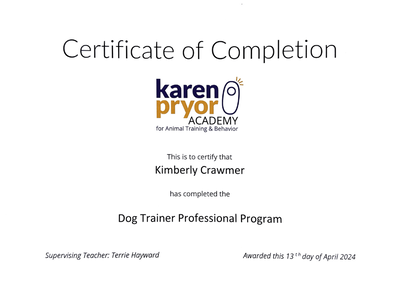
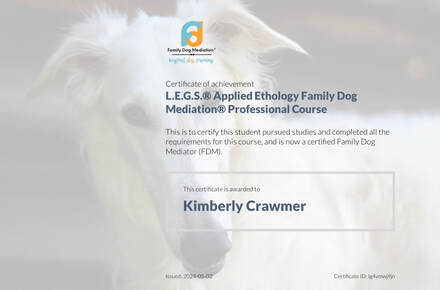
    Hi I'm Kim. I have been an avid animal lover all my life but goats and dogs are my favorites so I built a business around them, breeding registered Mini Nubian & Nigerian Dwarf dairy goats and MSCA registered Maremma Sheepdogs. I love sharing my passion and knowledge of these amazing creatures with others.

    RSS Feed

    Subscribe to Our Blog

​"Above the arch there was a lamp, and beneath it swung a large signboard: a fat white pony reared up on its hind legs. Over the door was painted in white letters:
​The Prancing Pony by Barliman Butterbur."
~ from The Fellowship of the Ring: Being the First Part of The Lord of the Rings.

Struggling with LGD training advice that doesn't work?

Get weekly proven strategies from a certified dog trainer who's raised 150+ Maremmas and helped countless livestock owners succeed.

​

You'll get:

  • ✓ Real solutions for common LGD problems
  • ✓ Science-based training methods that actually work
  • ✓ Breed-specific Maremma insights
  • ✓ Free buyer's guide + training resources

​

Join 1000+ smart livestock owners who've stopped guessing and started succeeding.

    We respect your privacy. Unsubscribe at any time.
    Built with Kit
    Picture
    Reserve My Maremma!
    Reserve My Dairy Goat!
    Picture
    We are located in Lemoore, California.
    Visitor Policy
    Get Our Free Maremma Buyers' Guide!
    Picture

    Amazon Disclosure: Prancing Pony Farm is a participant in the Amazon Services LLC Associates Program, an affiliate advertising program designed to provide a means for sites to earn advertising fees by advertising and linking to amazon.com.
    • Home
      • Our Story
      • Contact us
      • Veterinarian's Letter of Recommendation
      • Sales Policies
    • Mini Nubian & Nigerian Dwarf Goats for Sale
      • Why Choose Us?
      • Our Goat Reservation Process
      • Adult Goats for Sale
      • Kids for Sale
      • Our Dairy Goat Herd
        • Mini Nubian Does
        • Mini Nubian Bucks
        • Standard Nubian Does
        • Nigerian Dwarf Does
        • Nigerian Dwarf Bucks
        • Current & Past Kidding Seasons
          • 2025 Mini Nubian Kids
          • 2025 Nigerian Dwarf Kids
          • 2024 Kidding Season
          • 2023 Mini Nubians
          • 2023 Nigerians
          • 2017-2022 Kids
    • MSCA Registered Maremma Sheepdogs for Sale
      • Maremmma Sheepdogs for Sale
      • Why Choose Us?
      • Our Puppy Reservation Process
      • Available Puppies
      • Current & Past Litters
      • Maremma Gallery Page
    • Livestock Guardian Dog Training
      • Livestock Guardian Dog Training & Consulting
      • About Kim Crawmer
      • Family Dog Mediation
      • Keeping Kids safe With LGDs
      • The Perfect Formula for Training Incredible Livestock Guardian Dogs
    • Free Goat & LGD Membership
    • Prancing Pony Farm Blog
    • Goat Care Info
      • Dairy Goat Blog
      • The Doe Code
      • Bringing Home Your New Goat
      • Health concerns of your new goat
      • Dairy Goat FAQ's
      • Goat Care Articles & Links
      • Clicker Training Goats
      • Supplies for Goats
      • Feeding Mini & Dwarf Baby Goats
      • Housing Does & Kids
      • Goat Parasites
      • Annual Disease Testing of Goats
      • Goat Hoof Trimming
      • Milking Dairy Goats
      • Milking Nigerian Dwarfs versus Mini Nubians
      • Our Dairy Goat Milking Parlor
      • Disbudding Mini & Dwarf Goats
      • Mini Nubian Ears
    • Our Maremma Story